
Cat Care Manual
“Welcome to the complete Cat Care Manual, everything you need to know to keep your cat happy and healthy.”

Everything You Need to Know to Keep Your Cat Happy and Healthy
Cats are some of the most cherished pets in the world — and for good reason. They are independent, affectionate, low maintenance (by dog standards) and endlessly entertaining. But there are important tasks for cats. Whether you are a new kitten owner or an experienced cat parent looking to refresh your knowledge, this thorough cat care book will help you grasp all you need to know about diet, grooming, health checks and behavioral demands.
1. Cat Care Basics: What Your Cat Needs
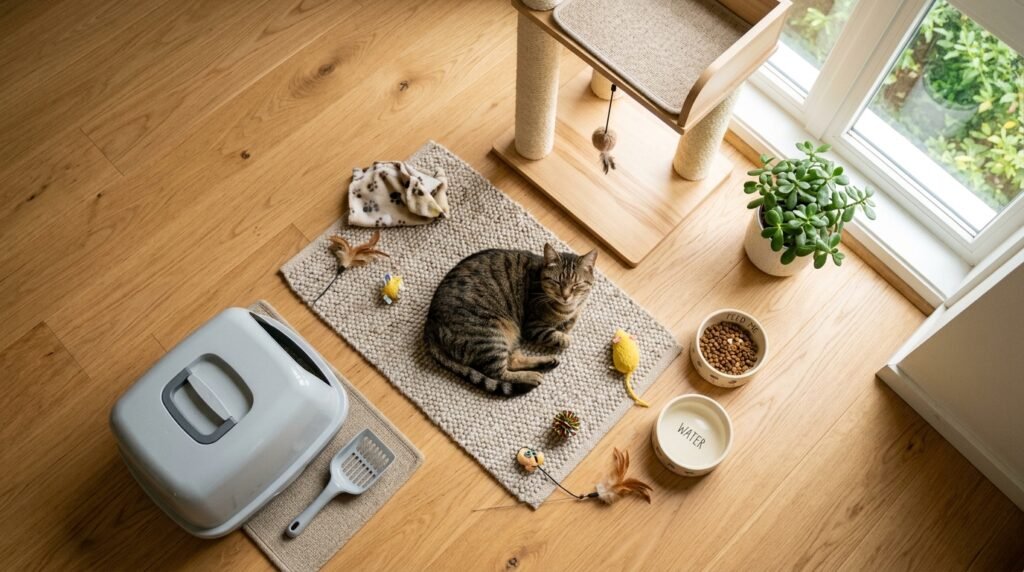
First of all, cats are obligate carnivores. Their bodies are built to do well on a diet strong in animal protein. Their behavior and environmental needs are also significantly different from those of dogs.
The Basic Needs of Any Cat:
- Adequate nutrition (fluid intake and high protein diet)
- Clean, fresh water always available
- A safe and comfortable place to stay
- Play and mental stimulation
- Social connection (yes, even cats alone need this)
- Regular vet visits
- A clean litter box
2. Cat Care Guide: What to Feed Your Cat
A cat’s health begins with nutrition. A bad diet can promote obesity, kidney disease, diabetes and a shortened life. But a well-balanced diet can keep your cat energetic, with a lustrous coat and resistant to disease.
Wet Food vs. Dry Food
Wet Food (Tinned): Recommended by the veterinarian. Has 70–80% moisture, which is important because cats have a naturally low thirst drive. Wet food helps kidney and urinary tract health.
Dry Food (Kibble): Convenient and cheap, but poor in moisture and typically heavy in carbs. Always offer fresh water when feeding dry food. Look for the first ingredient to be a named meat (e.g., chicken, turkey, or salmon).
Never Feed These Foods to Your Cat
- Garlic and onions (poisonous to cats)
- Raisins and grapes (may cause renal failure)
- Chocolate and caffeine
- Dough or yeast, unbaked
- Alcohol
- Xylitol (an artificial sweetener found in gum and sweets)
- Cooked bones (may cause choking)
Pro Tip: Read the ingredients on commercial cat food. Look for a named animal protein as the first component – not a “meat by-product” or corn filler.
3. Cat Care Tip: Why Water Matters
Dehydration is a quiet killer for cats. Cats are desert animals and don’t have much instinct to go get water. Chronic dehydration is one of the major causes of renal disease in older cats.
How to Get Your Cat to Drink More Water:
- Get a cat water fountain — cats like running water
- Place multiple bowls of water throughout the house
- Opt for wide, shallow bowls (cats detest whisker fatigue)
- Change water every day to keep it fresh
- Offer wet food to encourage increased moisture intake
4. Cat Care Grooming: More Than Just Looks
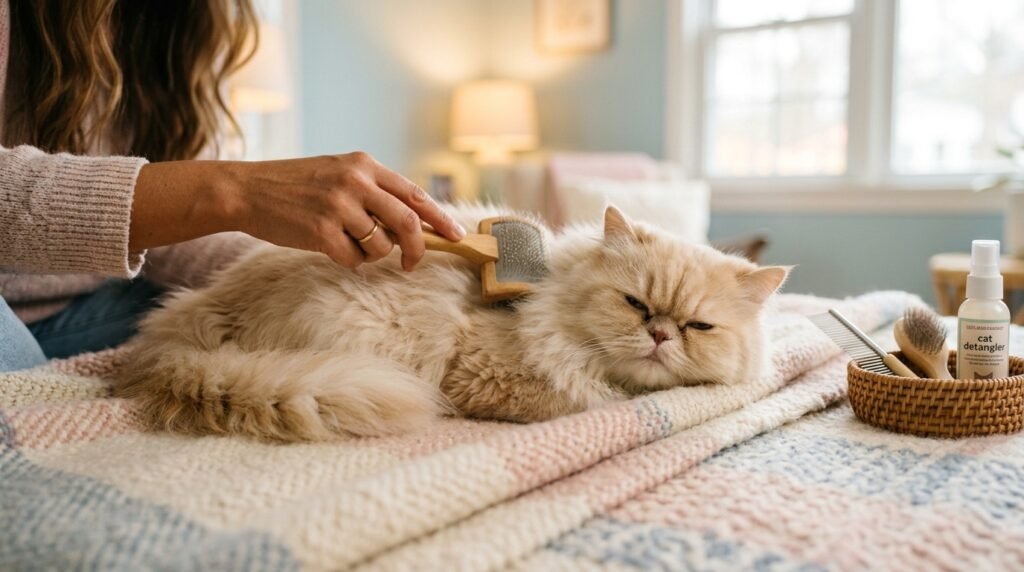
Cats are known to groom themselves, but that doesn’t mean they don’t require your aid. Regular grooming helps prevent matting, reduces hairballs, and enables you to see health problems early.
Brushing
Short-haired cats: Weekly brushing cuts down on hairballs and shedding.
Long-haired breeds (Persian, Maine Coon, etc.): Daily brushing to prevent uncomfortable matting.
Trimming Nails
Use clippers designed for cats to trim your cat’s nails every 2–3 weeks. Don’t cut the quick (the pink part) as this causes pain and bleeding. If your cat refuses, take it slow — one paw at a time, rewarding with treats.
Cleaning Ears
Check your cat’s ears weekly for dark discharge, redness, or odor — signs that could point to ear mites or illness. Gently clean the outer ear with a vet-approved ear cleanser and a cotton ball (never a Q-tip).
Mouth Care
Dental disease affects up to 70% of cats over 3 years of age. Brush your cat’s teeth 2–3 times a week with a cat toothbrush and enzymatic cat toothpaste (never regular human toothpaste — it’s poisonous). Dental treats and water additives can also help maintain dental hygiene.
5. Cat Care: Litter Box Rules
Nothing makes a cat angrier than a dirty litter box. One of the biggest reasons cats start to eliminate outside of the litter box is because the box is dirty. Cats are highly clean animals.
Golden Rules for the Litter Box:
- One box per cat + one extra (2 cats = 3 boxes)
- Scoop at least once a day
- Change litter completely every 1–2 weeks
- Box size: 1.5x your cat’s length
- Most cats prefer unscented litter
- Do not place box next to food or water bowls
- Keep in a calm, low-traffic location
Important: If your cat abruptly stops using the litter box, it can be a sign of a urinary tract infection, kidney stones or stress. Contact your veterinarian as soon as you can.
6. Vet Care: Prevention Is Better Than Cure
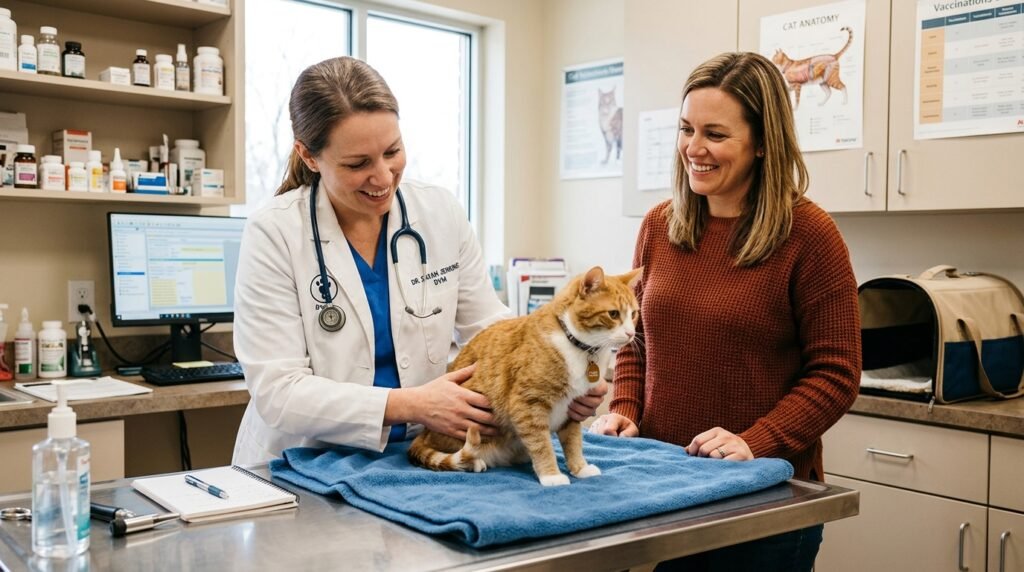
You need to take your cat to the vet regularly. Early identification can help manage — or even reverse — dangerous illnesses such as renal disease, hyperthyroidism and diabetes.
Recommended Schedule for Vet Visits:
- Kittens (0–1 year): Vaccinations every 3–4 weeks until 16 weeks, then at 6 months for spay/neuter
- Adult cats (1–7 years): Yearly for routine exam
- Senior cats (7+ years): Every 6 months for blood testing and physicals
Core Cat Vaccinations:
- FVRCP (Feline Viral Rhinotracheitis, Calicivirus, Panleukopenia) — core vaccine
- Rabies – mandated by law in many areas
- FeLV (Feline Leukemia Virus) – suggested for cats that go outside
7. Cat Care & Vet Visits: Prevention First
A bored cat is a destructive one. Cats are natural hunters and without an outlet for their urges they might become irritated, aggressive or develop destructive tendencies such as furniture clawing.
Best Enrichment Ideas for Indoor Cats:
- Interactive wand toys (feather wands, laser pointers)
- Puzzle feeders and gadgets that dispense food
- Cat trees and shelves (cats are all about the vertical space)
- Outdoor view window seats
- Toy rotation (novelty keeps them interested)
- Paper bags and cardboard boxes (free and liked!)
- Clicker training (yes, cats can be trained!)
Try to fit in at least 2 play sessions per day, 10–15 minutes each. Interactive play imitating hunting — stalking, pouncing, catching — has great mental and physical health advantages.
8. Cat Care: How to Keep Your Cat Stimulated

Cats communicate in a quiet yet distinct way. Understanding your cat’s body language can make a huge difference in the relationship you have with your cat.
What Your Cat is Saying:
- Slow blink: ‘I trust you and feel safe’ – blink back to demonstrate you agree
- Tail straight up: Confident and happy
- Puffed tail: Angry or scared
- Kneading: A comfort activity from kittenhood – your cat loves you!
- Chirping at birds: Mixed feelings of irritation and excitement
- Hiding: Stress, illness or wanting to be alone
9. Cat Care Decision: Indoor or Outdoor?
This is a controversial subject among cat owners. Here is what the evidence says:
Indoor cats often live 12 to 18 years. They are protected from traffic, predators, sickness, and poisons.
Outdoor cats live on average 2–5 years because of the many dangers they confront — yet they do get more physical exercise and mental stimulation.
Best of both worlds: Supervised outside time or a “catio” (enclosed outdoor space) offers your cat fresh air and safe stimulation.
10. Cat Care Alert: Common Health Issues
Early detection saves lives. Here are the most prevalent health problems in cats and their warning signs:
Feline Lower Urinary Tract Disease (FLUTD): Difficulty urinating, blood in the pee, meowing in the litter box
Kidney Disease: Increased thirst and urination, vomiting, weight loss
Hyperthyroidism: Weight loss, increased appetite, hyperactivity
Diabetes: Excessive thirst and urination, weight loss, weakening of hind legs
Dental Disease: Bad breath, drooling, difficulty eating
Obesity: Fat belly, little energy, ribs hard to feel
Worms/Parasites: Pot-bellied kittens, scooting, worms visible in feces
General Rule: If your cat’s suddenly changing his feeding, drinking, potty or behavior patterns, consult the vet. Don’t wait and see — cats are great at hiding illness.
Last Thoughts
Taking care of a cat is one of the great pleasures of life. These wonderful, fascinating animals express unconditional love in their own unique manner – and they deserve the very best of care in return. Good nutrition, regular vet appointments, mental stimulation and a clean, safe environment will give your cat the best chance of a long, healthy and happy life.
At PawLifeGuide.com, we’re dedicated to providing pet owners with information to make informed, compassionate decisions for their animals. Be sure to save this guide, share it with other cat lovers, and watch this space for more expert pet care articles!
Have a question about your cat? Tell us in the comments below—we would love to help