
Introduction
ringing a new puppy home is an exciting experience, but it can also be a bit nerve-wracking, especially for first-time pet owners
Medical Disclaimer: This article is for informational purposes only and does not substitute professional veterinary advice. If you are concerned about your puppy’s health, please consult a licensed veterinarian immediately.
Bringing a new puppy home is an exciting experience, but it can also be a bit nerve-wracking, especially for first-time pet owners. You might find yourself watching your new furry friend sleep and suddenly notice their chest rising and falling rapidly. This often leads to a panicked Google search: Is it normal for puppies to breathe fast?
The short answer is: Yes, in most cases, it is completely normal. However, rapid breathing can be a sign of an underlying health issue. In this detailed guide, we will explore why puppies breathe fast, what a normal breathing rate looks like, and when you should be concerned.
What is a Normal Breathing Rate for a Puppy?
Before panicking, it is important to know what a healthy breathing rate looks like.
An adult dog typically takes 10 to 30 breaths per minute when resting. Puppies, on the other hand, have a much faster metabolism and smaller lungs, which means they require more oxygen. A normal resting breathing rate for a puppy is between 15 and 40 breaths per minute.
If your puppy has just finished playing or is feeling warm, this rate can naturally go up. But while sleeping or resting, it should return to the 15-40 range.
Common (and Normal) Reasons Why Puppies Breathe Fast
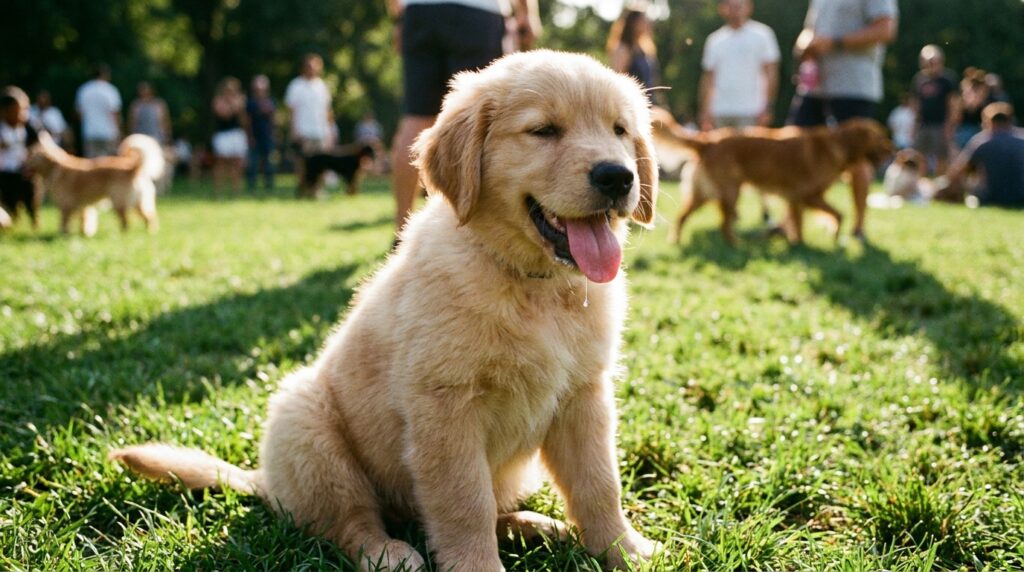
If you are asking, “Is it normal for puppies to breathe fast?” the chances are high that the cause is entirely harmless. Here are the most common reasons:
1. Dreaming During Sleep (REM Sleep)
This is the most common cause of rapid breathing in sleeping puppies. Just like humans, dogs experience Rapid Eye Movement (REM) sleep. During this phase, they dream. You might notice their paws twitching, soft barks or whimpers, and rapid breathing. This is perfectly normal and requires no intervention—let them enjoy their dreams!
2. Play and Exercise
Fast breathing after exercise is simply their way of cooling down and replenishing oxygen levels. Puppies have endless energy. After a vigorous play session or a run in the yard, their bodies need more oxygen to recover. Fast breathing after exercise is simply their way of cooling down and replenishing oxygen levels.
3. Heat and Panting
Ensure your puppy always has access to fresh water and a cool, shaded area. Dogs do not sweat through their skin as humans do; they regulate their body temperature primarily through panting. If the room is warm or your puppy has been in the sun, they will breathe fast to cool off. Ensure your puppy always has access to fresh water and a cool, shaded area.
4. Excitement or Stress
A puppy’s breathing rate can spike when they are overly excited (like when you come home from work) or slightly stressed (like during a car ride or their first bath). Once they calm down, their breathing should return to normal.
When Should You Worry About Fast Breathing?

While occasional fast breathing is normal, persistent or labored breathing is not. You should contact your veterinarian if you notice any of the following warning signs:
- Breathing rate exceeds 40 breaths per minute at rest or while sleeping.
- Labored breathing: Your puppy seems to be using a lot of effort to breathe. You might notice their belly heaving or their chest working hard.
- Open-mouth breathing while resting: Panting with an open mouth is normal during play or heat, but not while resting quietly indoors.
- Gums turning blue or pale: This is a sign of oxygen deprivation and is a medical emergency.
- Accompanying symptoms: If fast breathing is paired with lethargy, coughing, gagging, loss of appetite, or vomiting, seek veterinary care immediately.
Potential Medical Causes of Rapid Breathing
If the fast breathing is not due to exercise, heat, or sleep, it could be a symptom of a medical condition. Some possibilities include:
- Respiratory Infections: Pneumonia or kennel cough can cause fast, labored breathing.
- Heart Issues: Congenital heart defects can lead to poor oxygen circulation, causing a puppy to breathe rapidly.
- Pain: Dogs are excellent at hiding pain. If your puppy is hurting internally, their breathing rate may increase.
- Fever: An elevated body temperature due to an infection can cause panting.
How to Check Your Puppy’s Breathing Rate
If you want to monitor your puppy, here is how to check their resting respiratory rate:
- Wait until your puppy is sleeping or resting calmly.
- Count the number of times their chest rises (one rise = one breath) over a period of 30 seconds.
- Multiply that number by 2 to get the breaths per minute.
- Repeat this a few times to get an average.
What to Do If Your Puppy is Breathing Fast
call your vet right away. It is always better to be safe when it comes to your puppy’s health. If your puppy is breathing fast but shows no other signs of illness, try these steps:
- Stay Calm: Puppies can pick up on your anxiety, which might stress them out more.
- Cool Them Down: Move them to a cooler room and offer water. You can also use a fan.
- Let Them Rest: Stop playtime and allow them to relax in a quiet space.
- Monitor: Set a timer and check their breathing rate again in 15-20 minutes.
If the breathing does not slow down after resting and cooling, or if you notice any of the warning signs mentioned above, call your vet right away. It is always better to be safe when it comes to your puppy’s health.
Conclusion
So, is it normal for puppies to breathe fast?
Absolutely! Most of the time, it is just a sign of a healthy, dreaming, or slightly warm puppy. However, as a responsible pet parent, knowing the difference between normal fast breathing and a medical emergency is crucial. By keeping an eye on their resting respiratory rate and looking out for warning signs, you can ensure your new best friend stays happy and healthy for years to come.
❓ FAQs (Frequently Asked Questions)
Q1: Why is my 8-week-old puppy breathing fast while sleeping?
A: It is incredibly common for 8-week-old puppies to breathe fast while sleeping. Their tiny bodies are growing rapidly, and they are likely in the REM phase of sleep, which means they are dreaming. As long as their gums are pink and they wake up acting normal, there is usually nothing to worry about.
Q2: Should I wake my puppy up if they are breathing fast in their sleep?
A: No, it is best not to wake them. Just as in humans, interrupting a dog’s sleep cycle can leave them disoriented or grumpy. Let them sleep through it; their breathing will naturally slow down as they move out of the REM sleep phase.
Q3: How many breaths per minute is too fast for a puppy?
A: If your puppy is resting or sleeping and taking more than 40 breaths per minute consistently, you should monitor them closely. If it goes above 60 breaths per minute or is accompanied by labored breathing, contact your vet.