Finding the best German Shepherd food 2026 can feel overwhelming when every bag on the shelf claims to be “premium” or “complete.” The truth is, not all dog foods are created equal — and what works for a Labrador may not be the right choice for a German Shepherd.
Quick Answer – Top 3 Picks for 2026:
- Royal Canin German Shepherd Adult = Best for breed-specific needs
- Purina Pro Plan Sport = Best for energy
- Orijen Original = Best for digestion
German Shepherds are among the most loyal, intelligent and active dogs you can have at home. But it is also a responsibility, notably to feed them well. This breed has specific dietary requirements and not meeting these can cause problems such as joint problems, sensitive stomachs and dull coats.
This guide will tell you exactly what to look for, what brands are top of the range for 2026 and how to match food to your dog’s age and health requirements. Learn how to choose a formula that will keep your German Shepherd healthy, happy and thriving for many years to come.
Table of Contents
- What Do German Shepherds Eat? (Nutritional Requirements)
- Best German Shepherd Dog Food for 2026
- How to Feed a German Shepherd Puppy
- How Much Should I Feed My German Shepherd?
- What NOT to Feed a German Shepherd
- Do German Shepherds Need Grain-Free Food?
- How to Choose the Best Food for Your German Shepherd
- Frequently Asked Questions (FAQs)
- Image Prompts & Alt Text Reference
1. What Do German Shepherds Eat? (Nutritional Requirements)
German Shepherd food should be appropriate for a large, active working dog. Adult German Shepherds range in weight from 50 to 90 pounds. They have loads of energy to burn off, especially if they are working or busy dogs.
Protein
German Shepherds need 22-30% protein from carefully selected animal sources such as chicken, lamb, beef or fish. This athletic breed needs protein to keep a lean body.
Fat and Fatty Acids
12-18% fat for lasting energy. Omega 3 and 6 Fatty Acids support healthy skin and coat.
Joint Support (Glucosamine and Chondroitin)
German Shepherds are susceptible to joint issues such as hip and elbow dysplasia. Glucosamine and chondroitin help protect their joints over the long term.
Digestible Carbohydrates
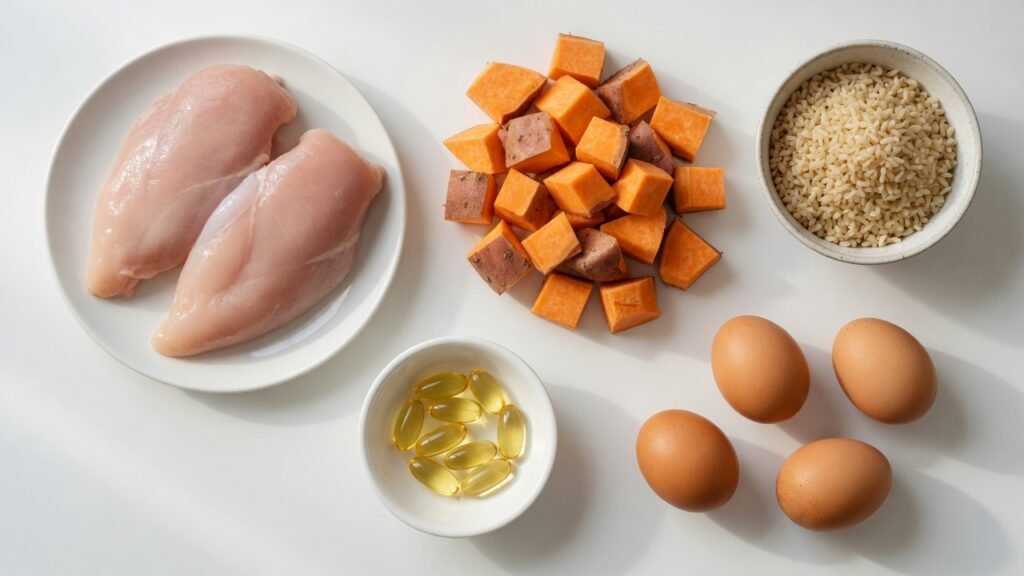
This breed can have a sensitive stomach so they do better with digestible carbs such as sweet potato, brown rice and oats rather than corn or wheat fillers.
Calcium and Phosphorus Balance
Critical for puppies, especially the fast-growing large breeds that require meticulous management of calcium to prevent skeletal problems.
German Shepherds have a delicate stomach. Many owners report their dogs have loose stools or gas, but this often improves when they switch to a limited ingredient diet with good quality protein.
2. Best German Shepherd Dog Food for 2026
How much to feed will depend on your dog’s age, activity and health. Here are the top picks for the best German Shepherd food 2026, in order of need.
#1 Royal Canin German Shepherd Adult – Best for Breed-Specific Needs
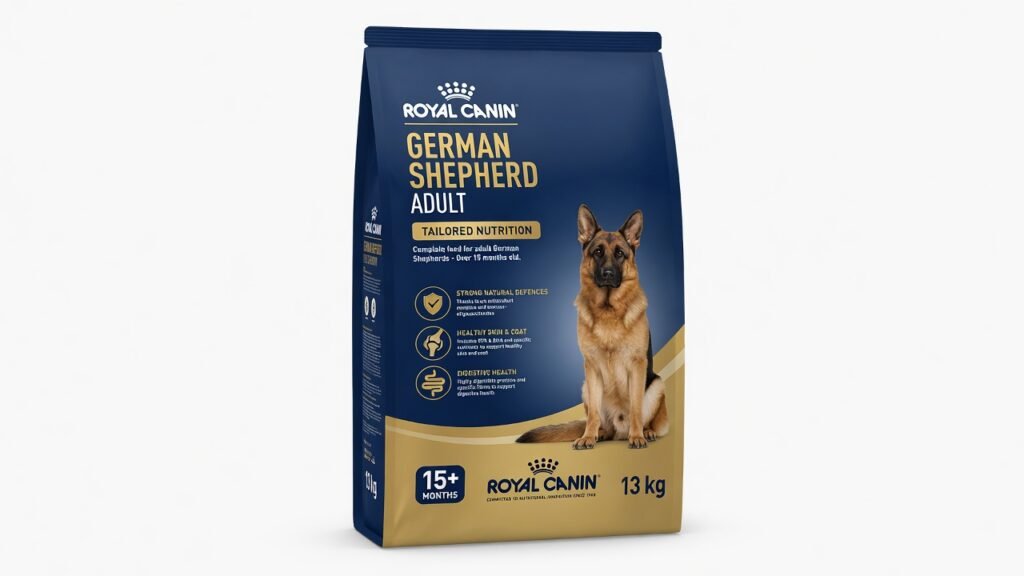
Royal Canin German Shepherd Adult is a special formula made specifically for German Shepherds. It is gentle for sensitive stomachs and contains EPA and DHA for a healthy coat. The kibble shape is designed especially for the German Shepherd’s long snout to encourage slower eating. If you are prepared to pay a premium for a breed-specific formula that has been researched by vets, Royal Canin is the one for you.
#2 Orijen Original – Best High Protein Dog Food
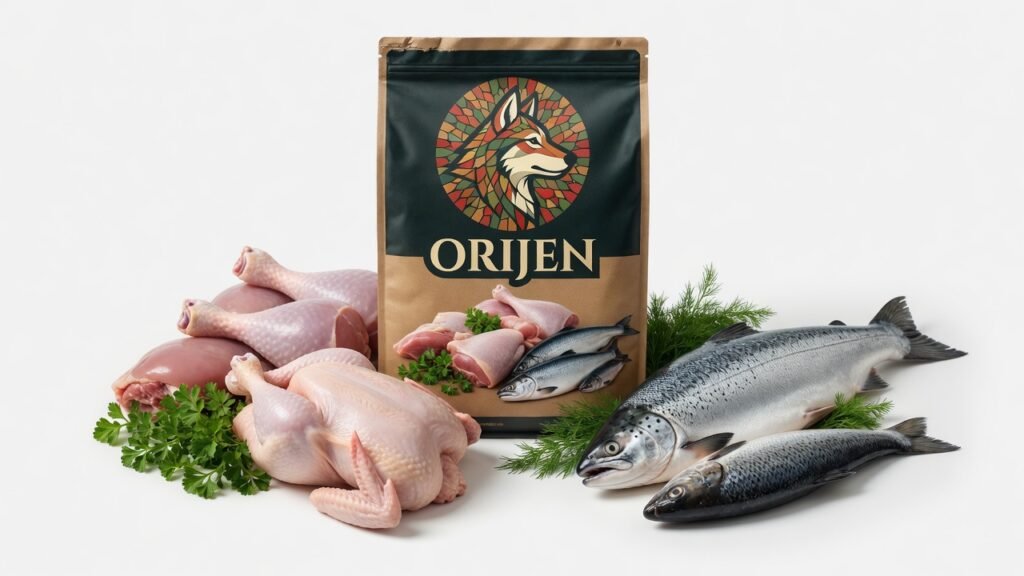
Shepherds Orijen Original is a biologically appropriate food, full of protein. It contains 38% protein from fresh chicken, turkey, fish and eggs and is therefore suitable for energetic or working German Shepherds. It is grain free, which is great for grain-sensitive dogs. If your German Shepherd is very active and does well on animal protein, Orijen is the one for you. This is a more costly option, ideal for owners who value quality over price.
#3 Purina Pro Plan Sport – Best for Working and Active Dogs
Purina Pro Plan Sport Performance 30/20 is a high-protein, high-fat dog food (30 percent protein, 20 percent fat) for energising active dogs. It has glucosamine for joints and probiotics for the gut. And it costs less than a lot of the specialist brands. Purina Pro Plan Sport is the best mid-range food value for a working or athletic dog.
#4 Hill’s Science Diet Sensitive Stomach and Skin – Best for Sensitive Tummies
Hill’s Science Diet Sensitive Stomach and Skin contains prebiotic fibre and easily digestible nutrients to help settle upset tummies. It contains omega-6 fatty acids and vitamin E to help support coat condition, a frequent concern for the breed. If your German Shepherd has any digestive problems or skin and coat issues, Hill’s is worth trying.
| #5 Diamond Naturals Large Breed Adult – Best Budget Pick Diamond Naturals Large Breed Adult is a good, affordable option. It is a great choice for the budget-conscious pet owner, with real animal protein, glucosamine and probiotics. If you want simple, affordable nutrition then Diamond Naturals is a great choice for your large breed dog. |
3. How to Feed a German Shepherd Puppy?
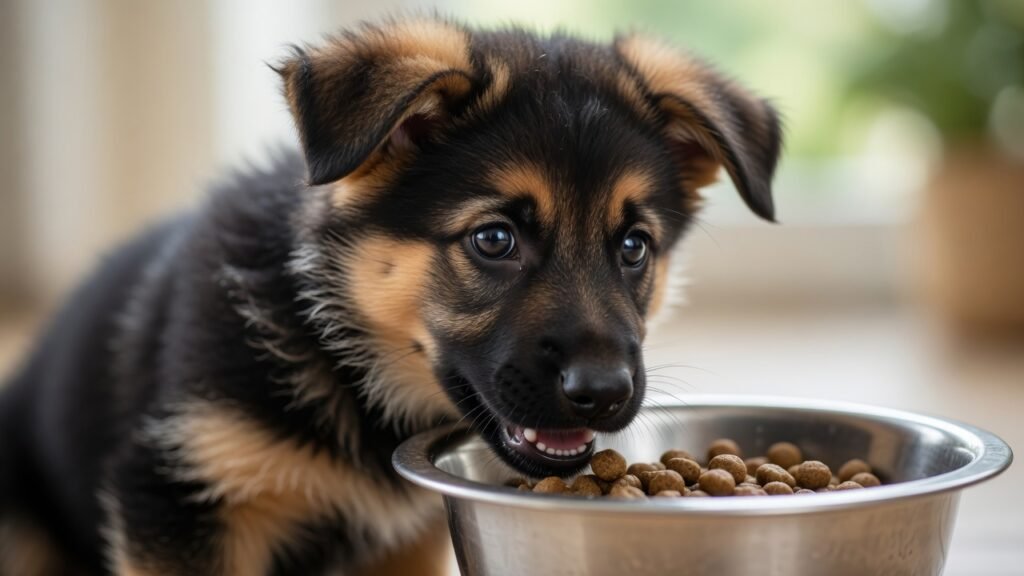
German Shepherd puppies are not full-grown dogs. They grow so fast that their diet has to be tailored for slow, steady growth — not fast weight gain that can put stress on developing joints.
Look for a large breed puppy formula with a correct calcium to phosphorus ratio. This balance is more important than you may think. Large breeds can suffer from skeletal problems from too much calcium.
Best Puppy Foods for 2026
- Royal Canin German Shepherd Puppy – Royal Canin German Shepherd Puppy
A breed-specific diet with nutrients formulated to support the growth of German Shepherds. Contains DHA for brain development and the right amount of calcium for large breeds.
- Purina Pro Plan Puppy Large Breed – Purina Pro Plan Puppy Large Breed
Cost-effective premium protein with joint support.
Puppy Feeding Schedule
Feed puppies 3-4 small meals a day until they are about 6 months old, then reduce to two meals a day. Always follow the feeding guidelines on the packaging and adjust based on your puppy’s weight and activity level.
4. How Much Should I Feed My German Shepherd?
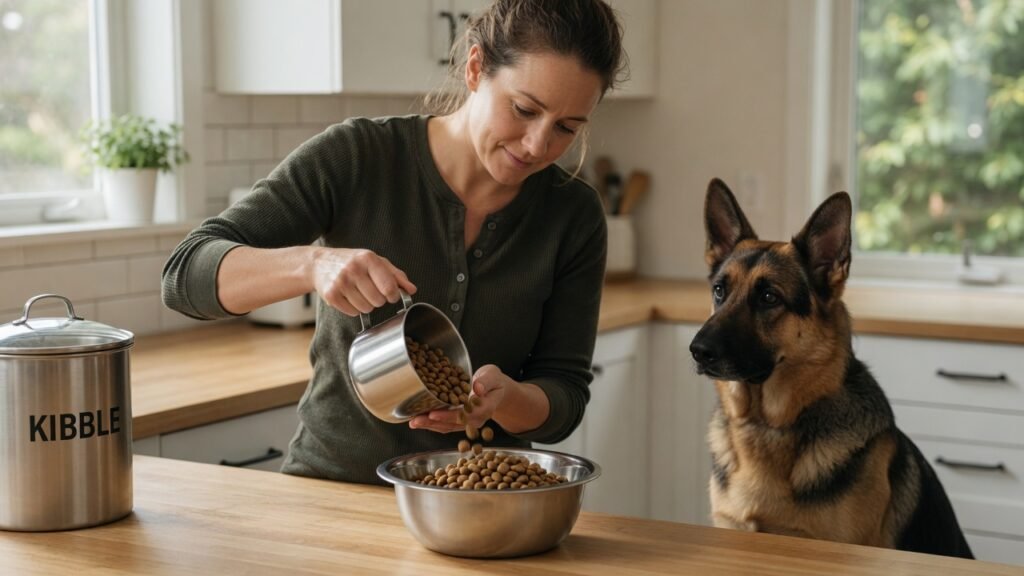
How much you need to feed depends on your dog’s age, weight and activity level. An adult German Shepherd typically consumes around 3 to 4 cups of dry food per day, divided into two meals.
Feeding Chart by Age and Activity Level
| Life Stage | Daily Amount | Meals Per Day |
| Puppy (2-6 months) | Per package directions | 3-4 meals |
| Active Adults | 3.5-4 cups | 2 meals |
| Less active or senior dogs | 2.5-3 cups | 2 meals |
Do not feed ad libitum. German Shepherds are prone to gaining weight, and added weight puts additional strain on their sensitive joints. Your vet can advise you on the right portion size for your dog’s body condition if you are unsure.
5. What NOT to Feed a German Shepherd?
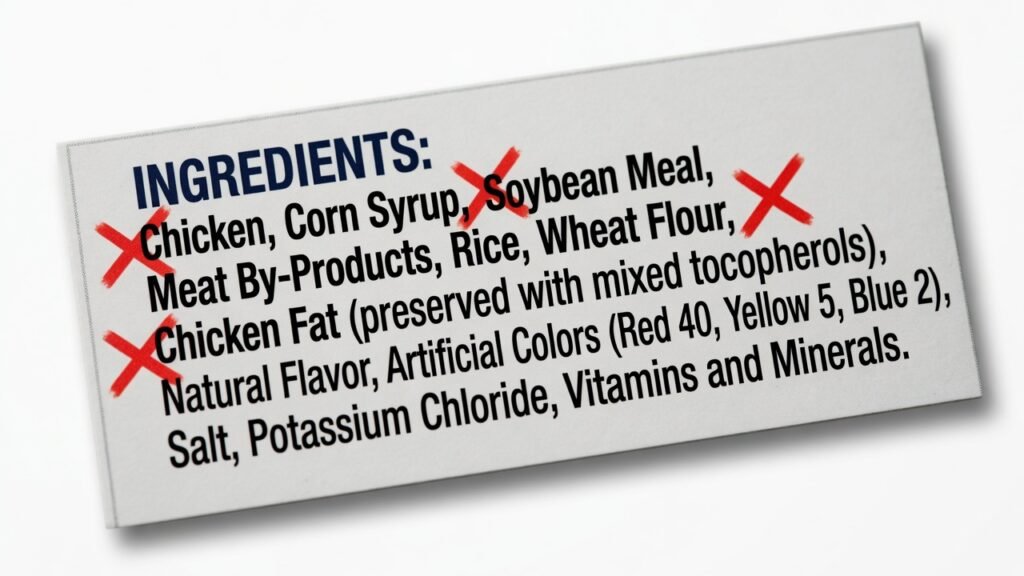
Some ingredients have little or no nutritional value and may cause allergies in this breed. Beware of:
- Artificial colours, flavours and preservatives such as BHA, BHT and ethoxyquin
- Corn, wheat and soybeans — cheap fillers that can cause trouble with sensitive stomachs
- Unspecified meat (e.g. “meat meal” vs “chicken meal”) and meat by-products
- Too much sugar or sweeteners — just empty calories
The best habit to get into is to read the ingredient list. The first ingredient should be a named protein and the first few ingredients should make up the majority of the food.
6. Do German Shepherds Need Grain-Free Food?
No — not really. Grain-free diets were popular for a while, but the FDA is investigating a possible link between some grain-free diets and a heart condition in dogs called dilated cardiomyopathy (DCM). Research is still ongoing and no firm conclusions have been reached.
If your German Shepherd has a confirmed grain allergy or intolerance, then a grain-free diet may be appropriate. Most dogs can eat healthy grains such as brown rice and oats, which are a good source of fibre and nutrients. If you are thinking of changing to grain-free, always consult your vet first.
7. How to Choose the Best Food for Your German Shepherd
If you know the basics, choosing the best German Shepherd food 2026 is straightforward. Opt for high-quality proteins, joint support and digestible ingredients, and tailor the diet to your dog’s age and activity level. Many dogs do well on a breed-specific diet like Royal Canin, while active dogs may do better on higher protein formulas like Orijen or Purina Pro Plan Sport.
Now what? Look at the label on your current dog food and compare it to the benchmarks in this guide. If it does not measure up, switch gradually to a better choice over 7-10 days so as not to upset the stomach. And if you are unsure, ask your vet — they are the ones who can advise on your individual dog’s health needs.
A well-fed German Shepherd is a healthy and happy German Shepherd. Tonight’s dinner will be the beginning of years of vitality, strength and wagging happiness.
8. Frequently Asked Questions (FAQs)
What is the best diet for a German Shepherd?
The best German Shepherd food should include a high protein formula (22-30% protein), a named meat protein as the first ingredient, added glucosamine for joints, and digestible carbs like sweet potato or brown rice. Royal Canin German Shepherd Adult and Orijen Original are the top options for 2026.
How much food should I feed my German Shepherd?
A mature German Shepherd should eat between 3 and 4 cups of dry food per day, divided between two meals. The top end is for working and energetic dogs, the bottom end for older or less active dogs. Always measure your portions and tailor to your dog’s weight and condition.
Can German Shepherds get food allergies?
Yes, German Shepherds are susceptible to sensitive stomachs and food allergies, often triggered by beef, dairy, wheat or chicken. Symptoms include itchy skin, ear infections and diarrhoea. A limited ingredient or sensitive stomach formula can sometimes reduce these reactions.
Is a grain-free diet good for German Shepherds?
A grain-free diet is only recommended if your German Shepherd has been diagnosed with a grain allergy. Most shepherds do well on wholesome grains like brown rice and oats. The FDA has reported a possible link between some grain-free diets and heart disease (DCM) in dogs.
When should I switch from puppy to adult food?
German Shepherds are a larger breed and take longer to mature, so most switch from puppy to adult food around 12 to 15 months. This transition should be done over 7 to 10 days. Let your vet help you decide the right time for your dog.