Have you just brought a dog home for the first time?
Or maybe you have had your dog for a while, but you are still not sure if you are feeding them the right food? You are not alone. Thousands of dog owners feel the exact same way. Walking into a pet store and staring at rows and rows of dog food bags is genuinely overwhelming, especially when every single bag claims to be the best one. Here is the good news. Feeding your dog well does not have to be stressful or confusing. Once you understand a few simple basics, choosing the right food becomes
easy and even enjoyable.
This dog food guide for beginners from pawlifeguide.com will walk you through everything you need to know, from picking the right type of food to understanding what ingredients actually matter to knowing which human foods can seriously hurt your dog. No complicated science. No confusing jargon. Just simple, honest advice from one dog lover to another.
Let’s get started!
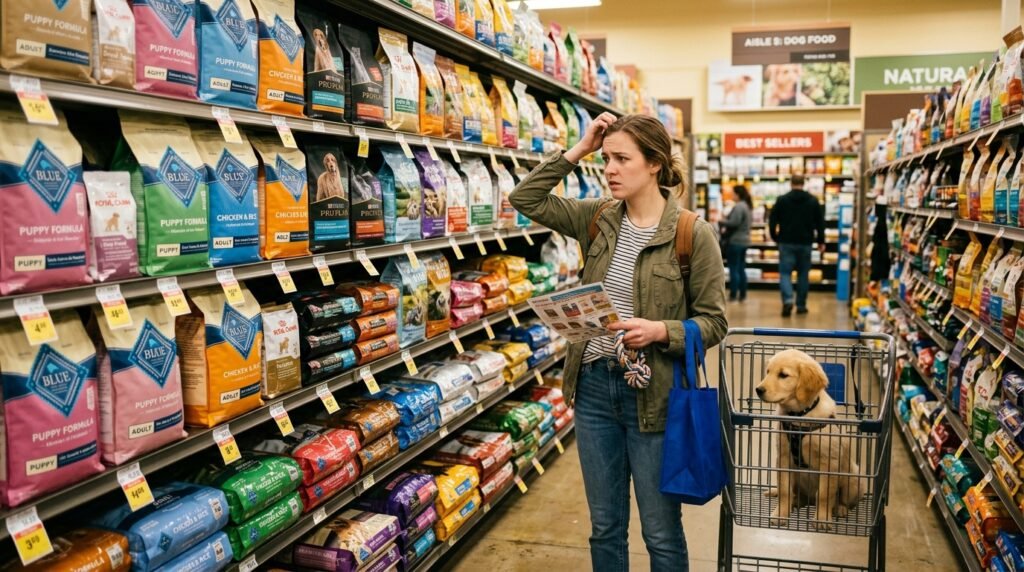
Bringing a dog into your life is one of the best feelings in the world. You love your dog, and you want to give them the happiest, healthiest life possible. But if you have ever stood in the dog food aisle at the pet store, you know how overwhelming it can be.
There are rows upon rows of colorful bags. Each one claims to be the healthiest, the most natural, or the absolute best choice. If you are a beginner, trying to figure out what to feed your dog can feel really confusing. You might even worry that you are going to make the wrong choice.
Take a deep breath. You are in the right place, and you are doing a great job just by caring enough to learn. Dog nutrition does not have to be complicated. In fact, keeping things simple is usually the best approach for both you and your furry friend.
This guide from pawlifeguide.com is written just for you. We are going to chat about the basics of feeding your dog, without any confusing science terms. We will cover the different types of food, the basic ingredients your dog needs, and which human foods you should never share. Let’s make mealtime easy, safe, and fun!
What Kind of Food Should You Buy?
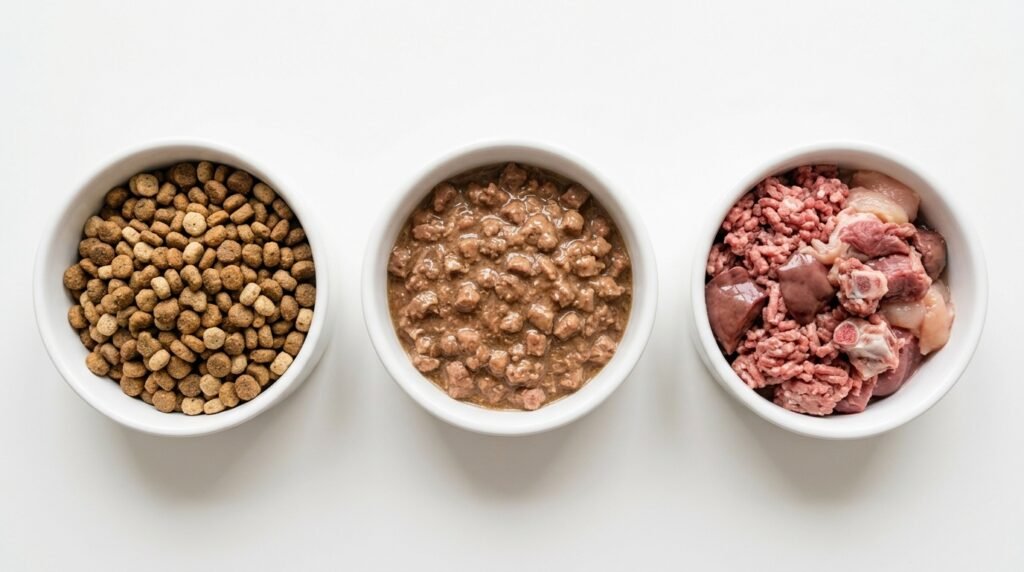
One of the first choices you will make is what type of food to buy. Most dog owners choose between dry food, wet food, or making food at home. Let’s look at what makes each one different.
Dry Dog Food (Kibble)
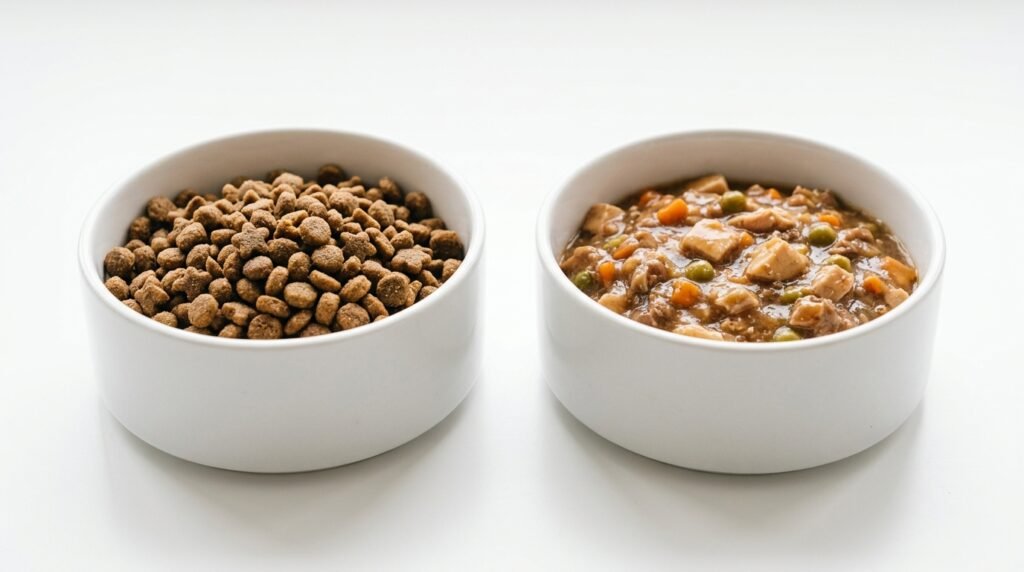
Dry food, often called kibble, is the most popular choice for dog owners. It looks like little brown biscuits.
Kibble is wonderful because it is so easy to use. You just scoop it out of the bag and put it in the bowl. It does not go bad quickly, and it is usually the most budget-friendly option. Plus, the crunchy texture can actually help keep your dog’s teeth a little cleaner by scraping away buildup.
If you have a busy morning routine, kibble is a lifesaver. You can even put it in puzzle toys to keep your dog busy while you are at work. For most beginners, a high-quality dry food is the perfect place to start.
Wet Dog Food (Canned)
Wet food comes in a can or a little plastic tray. It looks more like a stew or a pate, and it is full of moisture.
Dogs absolutely love the smell and taste of wet food. If you have a picky eater who turns their nose up at dry biscuits, mixing a spoonful of wet food into their bowl usually works like magic. It is also a great choice for older dogs who might have a hard time chewing crunchy food, or dogs that need to drink more water.
Just remember that wet food can be a bit messy, and it costs more than kibble. Once you open a can, you have to keep it in the fridge, and it only lasts for a few days.
Raw and Homemade Diets
Some people like to feed their dogs raw meat or cook meals for them at home. They want to know exactly what is going into their dog’s bowl.
While cooking for your dog sounds incredibly loving, it is actually very difficult to do correctly. Dogs need a very specific mix of vitamins and minerals to stay healthy. If you just feed them cooked chicken and rice, they will miss out on important nutrients. Also, raw meat carries dangerous germs like Salmonella, which can make both you and your dog very sick.
For beginners, it is much safer and easier to stick with high-quality, store-bought food. It is already perfectly balanced to keep your best friend healthy.
The Basic Nutrients Your Dog Needs
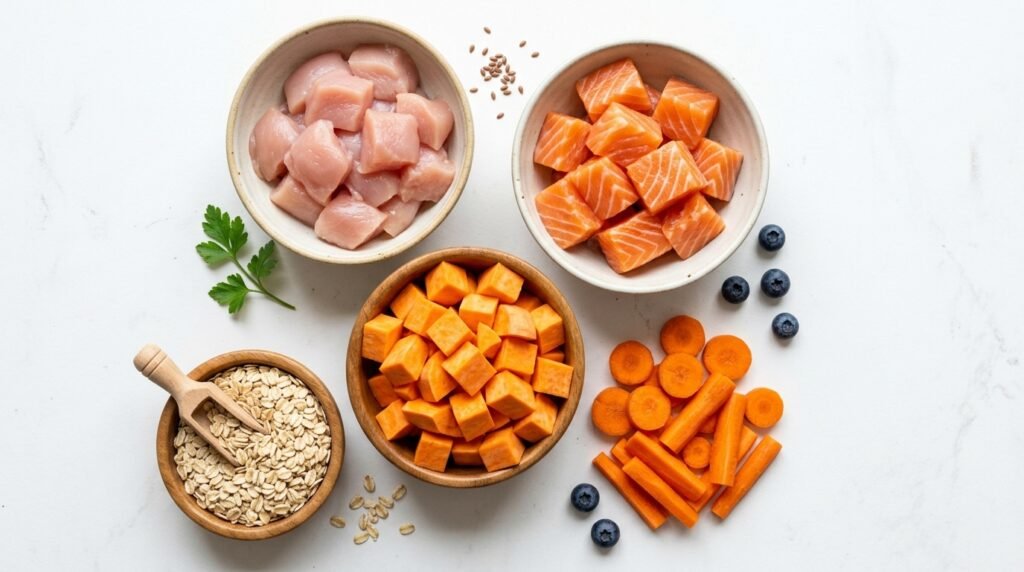
Just like humans, dogs need a balanced diet to feel their best. You do not need a degree in nutrition to understand this. Here are the simple building blocks of a healthy dog diet:
- Proteins: This is the most important part of your dog’s food. Protein builds strong muscles. Look for foods that use real meat, like chicken, beef, turkey, or salmon.
- Fats: Fat gives your dog energy to run and play. It also keeps their skin soft and makes their fur shiny. If you ever see a dog with a beautiful, glossy coat, it is usually because they are eating good, healthy fats.
- Carbohydrates: These come from things like rice, oats, or sweet potatoes. They give your dog quick energy and provide fiber, which helps them go to the bathroom regularly.
- Vitamins and Minerals: These keep your dog’s bones strong and their immune system working perfectly so they do not get sick.
How to Read a Dog Food Label (Without a Science Degree)
Dog food labels can look like they are written in a secret code. But you only really need to look for two simple things.
First, look for a statement from a group called AAFCO. AAFCO is simply an organization that sets safety standards for pet food in the United States. Somewhere on the bag, you want to see the words “Complete and Balanced.” If you see that, it means the food has been tested and has all the right nutrients your dog needs to live a healthy life.
Second, glance at the ingredient list on the back of the bag. Ingredients are listed by weight. The heaviest items are listed first. You always want to see a good source of meat—like chicken or beef—right at the very top of the list.
Choosing Food for Your Dog’s Age and Size
Dogs need different types of food depending on their age and size.
Puppies, Adults, and Seniors
Puppies have endless energy and are growing incredibly fast. They need special “puppy food” that is high in calories and nutrients to help their bones and brains develop.
Once your dog is about a year old, they are usually ready to switch to “adult food.” This food is designed to keep them healthy without making them gain too much weight.
When your dog becomes a senior (usually around 7 or 8 years old), they will slow down a bit. Senior dog food has fewer calories because they are not running around as much, and it often has special ingredients to help their aging joints feel better.
Big Dogs vs. Little Dogs
If you have a tiny dog, like a Chihuahua, they need food with very small pieces so they can chew it safely.
If you have a large breed puppy, like a Golden Retriever or a Great Dane, they actually need special “large breed puppy food.” This food helps their bones grow at a slow, safe pace so they do not develop sore joints when they get older.
Human Foods That Are Unsafe for Dogs
We all know the look. You are sitting at the dinner table, and your dog is staring at you with those big, beautiful puppy eyes, begging for a taste of your meal. It is so tempting to share!
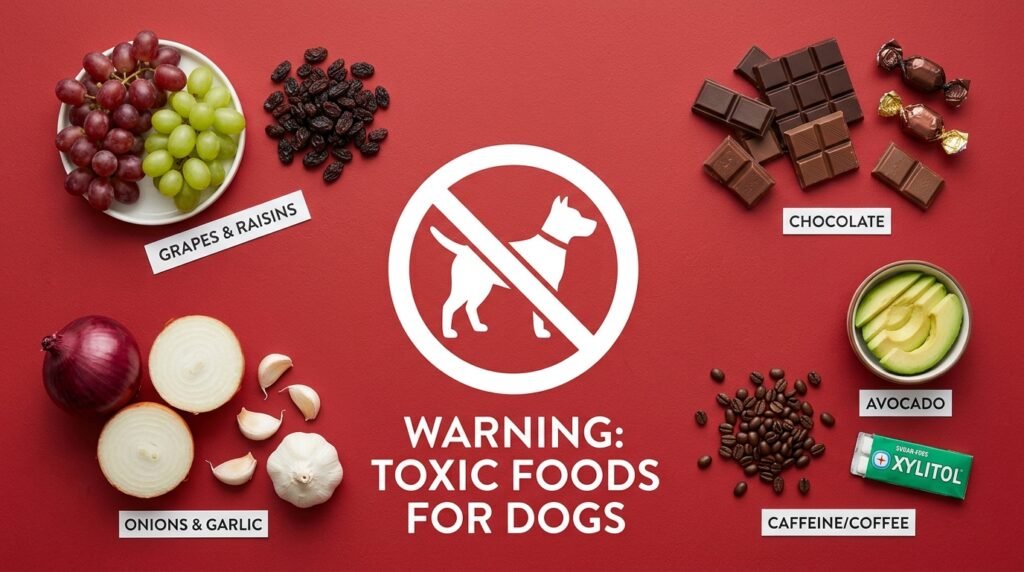
While a piece of plain carrot or a slice of apple is perfectly safe, many human foods are actually very dangerous for dogs. Keep these foods far out of reach:
- Chocolate: Highly toxic to dogs. It can cause their heart to race and make them very sick. Keep all candy bars and baking chocolate securely in the pantry.
- Grapes and Raisins: Even just one or two grapes can cause a dog’s kidneys to stop working. Keep these completely off the floor.
- Onions and Garlic: These can damage your dog’s blood cells, making them very weak.
- Xylitol: This is a tricky one. It is an artificial sweetener found in sugar-free gum, some peanut butters, and sugar-free candies. It is extremely dangerous for dogs. Always check the peanut butter jar before you let your dog lick the spoon!
- Cooked Bones: Never give your dog a cooked bone from your dinner plate. Cooked bones become brittle and can splinter in your dog’s throat or stomach, causing serious injuries.
- Macadamia Nuts: These can cause weakness and shaking in dogs.
If you drop a grape or a piece of onion on the floor while cooking, quickly pick it up before your dog gets to it. It is always better to be safe than sorry!
Simple Tips for Daily Feeding
Now that you know what to feed your dog, here are a few gentle tips to make everyday feeding easy and stress-free.
Measure the Food
It is very easy to accidentally overfeed a dog. A little extra food every day can lead to a chunky dog with sore joints. Don’t just guess by grabbing a handful of food. Use a clean measuring cup. Read the feeding chart on the back of the food bag to see how many cups your dog needs each day.
Go Easy on the Treats
We love giving our dogs treats because it makes them so happy. But treats are like cookies for dogs, they are full of extra calories. Try to follow the 10% rule: treats should only make up a tiny portion (about 10%) of your dog’s daily food.
Change Foods Slowly
If you decide to try a new brand of dog food, do not switch it all at once. Dogs have sensitive tummies. If you change their food overnight, they will likely get an upset stomach or diarrhea. Instead, mix a little bit of the new food into the old food. Over the course of a week, gradually increase the new food and decrease the old food until the switch is complete.
Wash Their Bowls
Think about eating off the same unwashed plate every day. Yuck! Your dog’s bowls get slimy and collect bacteria very quickly. Try to wash their food and water bowls every day with warm, soapy water.
You Are Doing a Great Job
Learning about dog food can feel like a lot at first, but you truly do not need to stress. By picking a food that meets safety standards, keeping dangerous human foods away, and measuring their daily meals, you are doing everything right.
Pay attention to your dog. If they have bright eyes, a soft coat, and plenty of energy to play with you, their food is doing its job. Enjoy the wonderful journey of being a pet parent. Your dog is so lucky to have someone who cares this much about them!
For more simple and friendly pet care tips,
visit our homepage at pawlifeguide.com
Frequently Asked Questions (FAQ)
What is the cheapest way to feed a dog a healthy diet?
Dry dog food (kibble) is usually the most budget-friendly choice. It costs less per meal than wet food and lasts a long time in your pantry. As long as it says “Complete and Balanced” on the bag, it is a great choice!
My dog is a picky eater. What can I do?
Try adding a small spoonful of wet food or a splash of warm water to their dry kibble. The warm water makes the food smell stronger, which dogs love. Also, try to feed them at the exact same times every day so they know when to expect their meals.
Can I give my dog safe human food as a treat?
Yes! Many dogs love crunchy vegetables. Baby carrots, slices of cucumber, and small pieces of apple (without the seeds) make wonderful, healthy treats that won’t make your dog gain weight.
How do I know if my dog is getting too fat?
When you look down at your dog from above, they should have a visible waist one that tucks in slightly just past their ribs. When you gently pet their sides, you should be able to feel their ribs under their skin without pressing hard. If you can’t feel the ribs, it might be time to cut back on the treats.
Is it safe to feed my dog raw meat from the grocery store?
No, it is not recommended for beginners. Raw meat from the store can carry germs like Salmonella. It is much safer for you and your dog to stick to fully cooked, store-bought dog food.