

Nothing beats a cold slice of watermelon on a hot summer day — and if your dog is staring at you with those irresistible “please share” eyes, you’re probably wondering: can dogs eat watermelon?
The short answer is yes — dogs can absolutely eat watermelon, and it’s actually one of the healthiest treats you can share with your furry friend. Watermelon is packed with vitamins, antioxidants, and is made up of 92% water, making it a perfect hydrating snack. However, there are a few important rules you need to follow to keep your pup safe.
In this guide, we’ll cover everything you need to know — from which parts are safe (and which are dangerous), to exactly how much watermelon your dog can eat, plus three delicious homemade watermelon treat recipes your dog will go crazy for.
.. Key Takeaways
- Watermelon flesh is 100% safe for dogs and loaded with vitamins A, B6, C, and potassium
- Never feed your dog watermelon seeds — they can cause intestinal blockage
- Remove the rind completely — it’s tough to digest and can cause serious GI issues
- Follow the 10% rule — treats (including watermelon) should be no more than 10% of your dog’s daily calories
- Seedless watermelon is the safest option but still remove any white seeds
- Frozen watermelon makes an amazing summer treat that keeps dogs cool and entertained
Nutritional Benefits: Why Watermelon Is a Superfood for Dogs
Watermelon isn’t just a tasty snack — it’s a genuine nutritional powerhouse for your pup. Here’s what makes it special:
Nutritional Breakdown (Per 1 Cup / 152g of Watermelon)
| Nutrient | Amount | Benefit for Dogs |
|---|---|---|
| Calories | 46 | Ultra low-calorie treat, great for weight management |
| Water Content | 92% | Excellent for hydration, especially in summer |
| Vitamin A | 865 IU | Supports healthy vision, skin, and coat |
| Vitamin B6 | 0.07 mg | Aids brain function and hormone regulation |
| Vitamin C | 12.3 mg | Boosts immune system and reduces inflammation |
| Potassium | 170 mg | Supports heart health and muscle function |
| Lycopene | 6,889 mcg | Powerful antioxidant that may help prevent cancer |
| Fiber | 0.6 g | Supports healthy digestion |
Top 6 Health Benefits of Watermelon for Dogs
- Superb Hydration — At 92% water, watermelon is one of the most hydrating foods on earth. On hot days, it can help prevent dehydration in active dogs far better than just water alone.
- Cancer-Fighting Lycopene — Watermelon is one of the richest sources of lycopene, a powerful antioxidant. According to the American Kennel Club, lycopene may help reduce the risk of certain cancers.
- Immune System Boost — The combination of vitamins A and C creates a one-two punch for your dog’s immune system, helping fight off infections and illness.
- Heart Health Support — Potassium helps regulate blood pressure and supports cardiovascular function.
- Anti-Inflammatory Properties — Vitamin C and lycopene work together to reduce inflammation, which is especially beneficial for older dogs with joint issues.
- Weight-Friendly Treat — With only 46 calories per cup and zero fat, watermelon is an ideal treat for dogs on a diet.
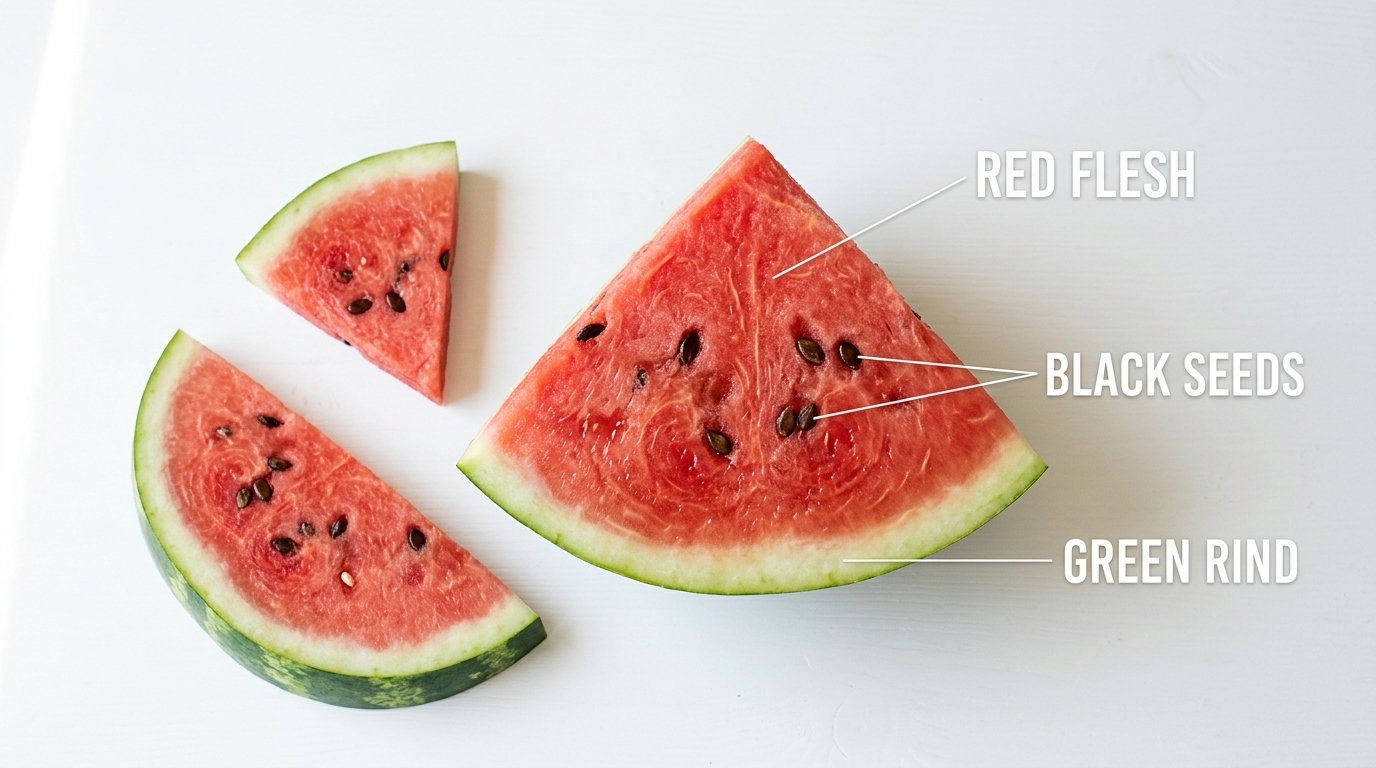
Which Parts of Watermelon Are Safe for Dogs?
This is the most critical section — because not all parts of a watermelon are created equal when it comes to your dog’s safety.
.. The Flesh — SAFE
The pink (or sometimes yellow) flesh of the watermelon is completely safe for dogs. This is the only part you should feed your pup. It’s soft, easy to chew, easy to digest, and contains all the nutritional benefits we just talked about.
The Seeds — DANGEROUS
Watermelon seeds are a real hazard for dogs. While one or two seeds swallowed accidentally are unlikely to cause harm, eating multiple seeds can lead to:
- Intestinal blockage — Seeds can accumulate in the digestive tract, especially in small and medium dogs
- Choking hazard — Particularly for small breeds and puppies
- Digestive discomfort — Even a few seeds can cause stomach pain and constipation
Pro tip: Choose seedless watermelon whenever possible. Even “seedless” varieties contain small, soft white seeds — these are generally safe, but removing them when practical is the safest approach.
The Rind — DANGEROUS
Never let your dog chew on or eat the watermelon rind. The hard, green outer skin is extremely difficult to digest, poses a choking hazard, and can potentially cause intestinal blockage requiring emergency surgery. As noted by ASPCA, always remove the rind completely before sharing with your pet.
How to Prepare Watermelon for Your Dog (Step-by-Step)
Follow these simple steps for safe preparation:
- Wash the outside of the watermelon thoroughly to remove any pesticides or bacteria
- Cut the watermelon into slices
- Remove ALL seeds — pick out every black seed you can see
- Cut away the rind completely — leave only the pink flesh
- Cut into bite-sized pieces appropriate for your dog’s size
- Serve fresh or freeze for a longer-lasting treat

How Much Watermelon Can Dogs Eat? (Serving Size Guide)
Even though watermelon is healthy, moderation is key. Follow the veterinarian-recommended 10% treat rule.
| Dog Size | Weight | Max Watermelon Per Day | Equivalent |
|---|---|---|---|
| Extra Small | Under 10 lbs | 1/4 cup (2-3 small cubes) | 1-2 thin slices |
| Small | 10-20 lbs | 1/2 cup (4-5 cubes) | 2-3 thin slices |
| Medium | 20-50 lbs | 1 cup (8-10 cubes) | 1 regular slice |
| Large | 50-80 lbs | 1.5 cups | 1-2 regular slices |
| Extra Large | 80+ lbs | 2 cups | 2 regular slices |

3 Easy and Delicious Watermelon Treat Recipes for Dogs
Recipe 1: Frozen Watermelon Popsicles
Perfect for hot summer days!
Ingredients:
- 2 cups seedless watermelon, cubed
- 1/2 cup plain yogurt (no xylitol!)
- 1 tablespoon honey (optional)
Instructions:
- Blend the watermelon cubes until smooth
- Mix in the plain yogurt
- Pour into silicone molds or ice cube trays
- Freeze for 4-6 hours until solid
- Pop out and serve — watch your dog go wild!
Recipe 2: Watermelon and Blueberry Ice Cubes
A superfood combo packed with antioxidants!
Ingredients:
- 1 cup seedless watermelon
- 1/2 cup fresh blueberries
- 1/2 cup water or coconut water
Instructions:
- Blend watermelon and blueberries together
- Add water and pulse briefly
- Pour into ice cube trays
- Freeze for 3-4 hours
- Serve 2-4 cubes depending on dog size
Recipe 3: Watermelon Kong Stuffer
Keeps dogs busy and cool for 30+ minutes!
Ingredients:
- 1 cup seedless watermelon
- 2 tablespoons peanut butter (xylitol-free!)
- A smear of mashed banana
Instructions:
- Puree the watermelon
- Spread peanut butter inside the Kong
- Fill halfway with watermelon puree
- Add mashed banana
- Top off with more watermelon puree
- Freeze overnight
- Give to your dog and enjoy the peace and quiet!
Can Puppies Eat Watermelon?
Yes, puppies can eat watermelon — but with extra caution. Wait until your puppy is at least 8-10 weeks old and fully weaned before introducing any treats, including watermelon. Give puppies about half the recommended serving for their weight category. Cut pieces extra small to prevent choking. Be especially diligent about removing ALL seeds. Start with just 1-2 tiny pieces and wait 24 hours to monitor for any reaction. Limit watermelon treats to 2-3 times per week for puppies.
Risks and Warning Signs to Watch For When Dogs Eat Watermelon
While watermelon is generally very safe, there are situations where you should be cautious:
- Diabetic dogs: Watermelon does contain natural sugars. If your dog has diabetes, consult your vet.
- Dogs with kidney issues: The potassium content could be problematic for dogs with kidney disease.
- Overfeeding: Too much of any fruit can cause diarrhea, bloating, and gas.
When to Call the Vet
Contact your veterinarian immediately if your dog ate a large amount of watermelon rind or seeds, shows signs of intestinal blockage (repeated vomiting, inability to defecate, abdominal swelling), has persistent diarrhea or vomiting lasting more than 24 hours, or shows signs of an allergic reaction.
Frequently Asked Questions About Dogs and Watermelon
Can dogs eat watermelon every day?
Yes, dogs can eat watermelon daily as long as you stick to the recommended serving sizes and follow the 10% treat rule. However, variety is important — rotating between different healthy treats ensures your dog gets a diverse range of nutrients. We recommend offering watermelon 3-5 times per week rather than every single day.
Can dogs eat yellow watermelon?
Absolutely! Yellow (and orange) watermelon varieties are just as safe as traditional red watermelon for dogs. They have a slightly different flavor profile but offer similar nutritional benefits. The same rules apply: remove seeds and rind, serve only the flesh.
Is watermelon good for dogs with kidney disease?
This requires a conversation with your veterinarian. While watermelon’s high water content can help with hydration, its potassium and natural sugar content may not be ideal for dogs with kidney disease.
Can dogs drink watermelon juice?
Plain, freshly blended watermelon (with no added sugar or sweeteners) is safe for dogs in small amounts. However, avoid store-bought watermelon juice — these typically contain added sugars and artificial sweeteners (some of which, like xylitol, are toxic to dogs).
My dog ate watermelon seeds — should I panic?
Don’t panic. If your dog swallowed a few seeds, they’ll likely pass through naturally — especially for medium and large dogs. Monitor your dog’s bowel movements for 48 hours. If your dog is small or consumed many seeds, call your vet.
Can dogs eat watermelon rind if it’s cut into small pieces?
No. Even in small pieces, watermelon rind is not recommended. It’s tough and fibrous, making it difficult to digest regardless of size. Always remove the rind completely.
Have questions about other foods your dog can eat? Check out our guides on Can Dogs Eat Bananas, Best Dog Food for Sensitive Stomach, and How to Read Pet Food Labels on PawLifeGuide.com.
Disclaimer: This article is for informational purposes only and does not replace professional veterinary advice. Always consult your veterinarian before making changes to your dog’s diet.