
The Night Everything Changed
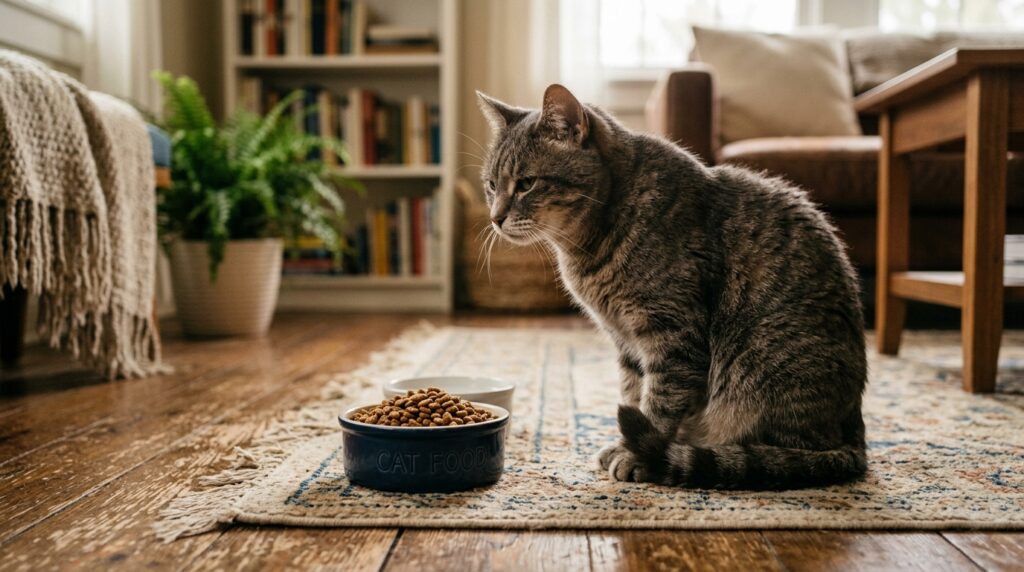
It was a Tuesday evening. I put down Luna’s dinner — the Royal Canin wet food she had been eating every single night for two years. Luna walked over to her bowl, sniffed the food, and then just walked away.
I thought Luna was just being a little picky. Cats do that sometimes, right?
By morning, the bowl was still full. Luna hadn’t touched a single bite overnight. That’s when the panic set in.
If you are reading this, you are probably in the same situation right now your cat stopped eating overnight and you have no idea why. I have been there.In this article, I’ll share what happened, how I helped my cat, and what every cat owner should know if their cat suddenly stops eating.
First — Should You Be Worried?
Yes and no. Here’s the honest answer:
One missed meal = probably nothing serious.
No food for 24+ hours = time to act.
Cats are very different from dogs when it comes to eating. If a cat does not eat for a few days, it can get very sick. This sickness is called hepatic lipidosis, also known as fatty liver disease.
When a cat does not eat for two or three days, the cat’s body starts to use the fat it has stored for energy. This stored fat can flood the liver and cause serious damage — especially if the cat is overweight.
Rule of Thumb: If your adult cat does not eat for 24 hours, call your vet. If it is a kitten or senior cat, call your vet after just 12 hours without food.
8 Reasons Your Cat May Have Stopped Eating Overnight
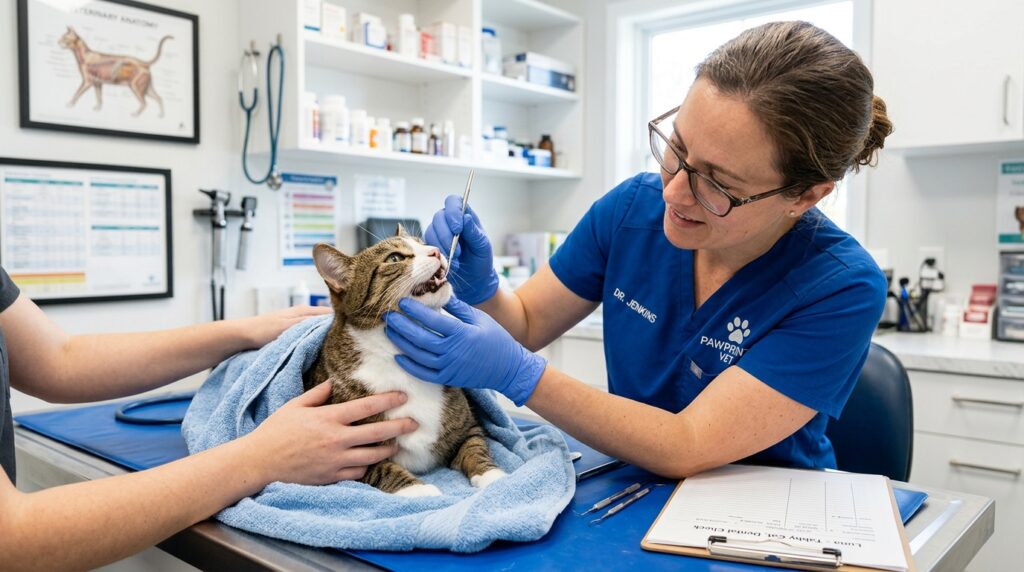
1. Dental Pain or Gum Disease
This is one of the most overlooked causes. Gum disease and dental problems affect many adult cats. Because cats are experts at hiding pain, refusing to eat may be the very first sign that something is wrong with their teeth.
If your cat walks toward the bowl, sniffs the food, and then backs away — dental pain is a strong possibility. They are hungry, but eating hurts.
What to watch for: Drooling, pawing at the mouth, chewing food on one side, and bad breath.
2. Upper Respiratory Infection (Cat Flu)
Cats depend a lot on their sense of smell to want to eat. If their nose is blocked or stuffy, the food doesn’t smell good to them, so they may not eat even if they feel hungry.
What to watch for: Sneezing, runny nose, watery eyes, and coughing.
3. Digestive or Stomach Issues
When your cat feels nauseous, has an upset stomach, is vomiting, or is constipated, they might not want to eat. Just like you do not feel like eating when your stomach is off, neither does your cat.
What to watch for: Vomiting, diarrhea, constipation, and a hunched posture.
4. Stress and Anxiety
Cats are creatures of habit. Even small changes can really upset them. Did any of these happen recently?
- A new pet in the house
- A new baby or family member
- Furniture rearranged
- A move to a new home
- A change in your schedule
- Loud noises or construction nearby
5. Food Boredom — A 2026 Research Finding
A new study from 2026 found that cats stop eating not because they are full, but because they become used to the smell of their food. When cats smell the same food every day, their motivation to eat decreases — they become bored with it.
If you give your cat a food that smells and tastes different, your cat may start eating again right away.
6. Recent Vaccination
If your cat was vaccinated in the last day or two, mild nausea and loss of appetite are completely normal side effects. This usually goes away within 48 hours. If your cat still will not eat after that, contact your vet.
7. New or Changed Food
Cats notice everything — including when a brand changes its recipe. If you recently switched foods, changed flavors, or changed the brand, your cat may simply be rejecting the new food.
8. Underlying Illness
Sometimes a cat suddenly stopping eating can be the first sign of something serious — kidney disease, diabetes, hyperthyroidism, infections, or even cancer. This is why you should never ignore a cat that has stopped eating for more than 24 hours.
What I Did When Luna Stopped Eating — Step by Step
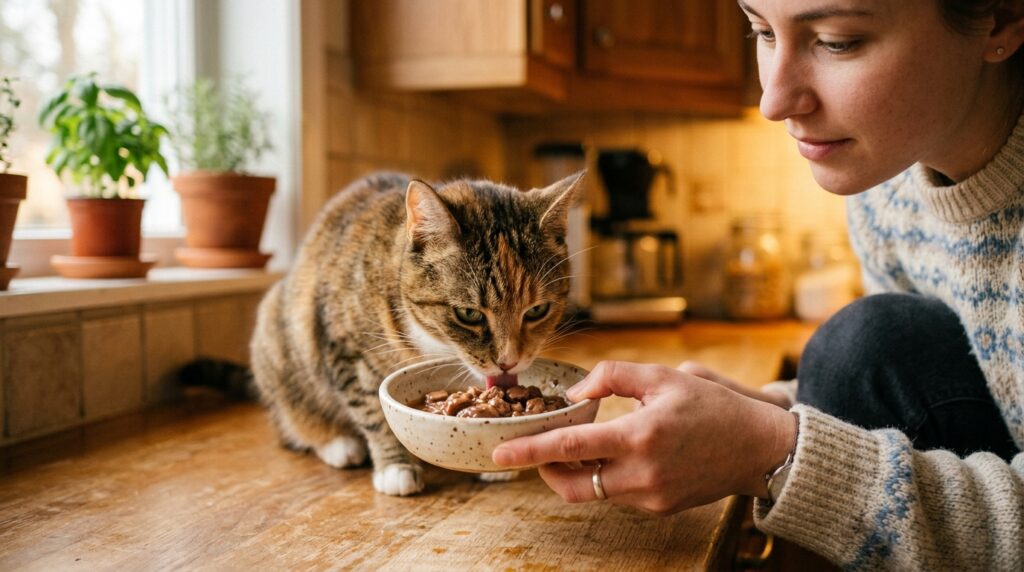
Step 1: I Stayed Calm and Observed
I did not panic right away. I kept an eye on Luna for a few hours. Was she playing? Using the litter box normally? Drinking water? Acting like herself? Luna seemed alert, active, and was drinking water — that was a good sign. But she still would not eat.
Step 2: I Warmed Up Her Food
I put her wet food in the microwave for about 10 seconds, just enough to take the chill off. Warming food releases its aroma and makes it more appealing to cats. She sniffed it with more interest this time — but still did not eat.
Step 3: I Tried a Different Food
I opened a tuna-based wet food instead of her usual chicken. I also added a small amount of low sodium chicken broth on top to make it smell stronger. She licked the broth… and then walked away again.
Step 4: I Moved Her Food Bowl
Stress from another pet or a noisy area near the feeding spot can put a cat off from eating. I moved her bowl to a quieter part of the house away from foot traffic. Still nothing.
Step 5: I Called My Vet — 24 Hours In
When the 24-hour mark passed with no food eaten, I called my vet. She asked me several questions:
- Is she drinking water?
- Any vomiting or diarrhea?
- Any recent changes at home?
- Any sneezing or nasal discharge?
Step 6: The Vet Visit
At the clinic, the vet found that Luna had some nasal congestion — she had the early stages of cat flu. It was not serious, but it was enough to take away her appetite completely because she could not smell her food. The vet prescribed medicine and told me to offer strong-smelling, high-moisture foods like tuna in small amounts, many times throughout the day.
Step 7: Recovery
Within 48 hours of starting treatment, Luna ate her first full meal. Within a week, she was completely back to her normal self.
What to Feed a Cat That Won’t Eat — Vet-Approved Tips
If your cat has stopped eating, here are safe things you can try at home while you wait for your vet appointment:
| Warm up the food slightly | Makes the food smell stronger and more appealing |
| Add low-sodium chicken or tuna broth | The strong aroma encourages your cat to eat |
| Try a different flavor or texture | Helps if your cat is bored with the same food |
| Use a ceramic bowl instead of plastic | Some cats dislike the smell of plastic bowls |
| Feed in a quiet, calm location | Reduces stress while eating |
| Give small amounts many times a day | Less overwhelming than a full bowl at once |
| Try hand feeding | Provides comfort and reassurance for anxious cats |
WARNING: Never force your cat to eat by putting food into their mouth. This causes extreme stress and can make things worse. Syringe feeding should be performed only under direct veterinary supervision.
Warning Signs — Go to the Vet Immediately
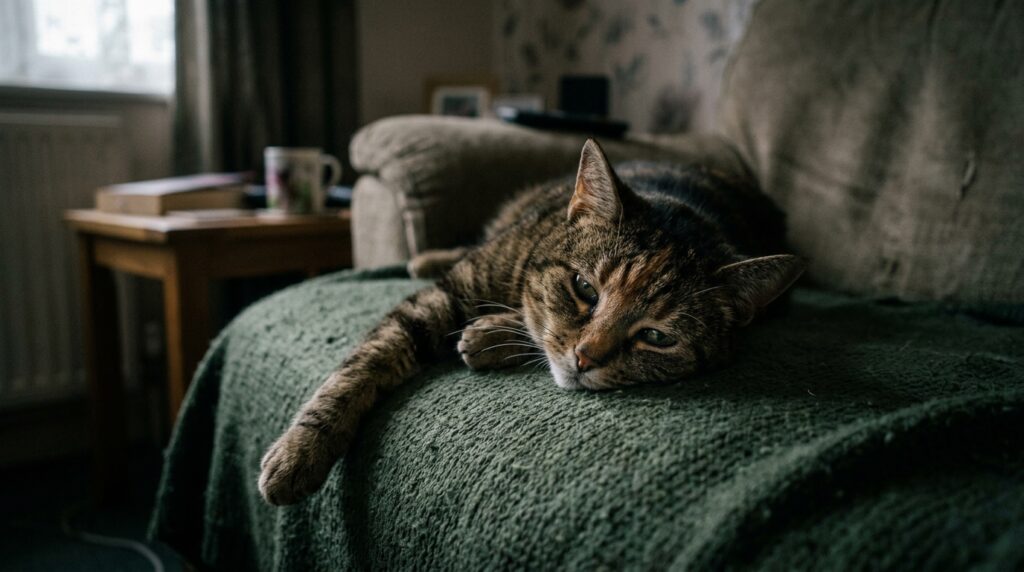
Do not wait if your cat shows any of these signs along with not eating:
- No food or water for more than 24 hours
- Vomiting more than once or twice
- Lethargy — unusually still, will not move around
- Hiding — cats hide when they feel very unwell
- Rapid weight loss
- Yellow tint to the eyes or skin (jaundice — serious liver warning)
- Difficulty breathing
- Pain when touched around the belly
How Long Can a Cat Go Without Eating?
This is critical information every cat owner needs to know:
| 12–24 hours | Monitor closely, try the tips above |
| 24–48 hours | Call your vet — examination needed |
| 48–72 hours | Serious risk of liver disease — urgent vet care required |
| 72+ hours | Medical emergency — go to vet immediately |
Important: Kittens and older cats face these risks even faster. Do not wait the full 24 hours with them.
Can You Prevent This From Happening?
- Rotate the flavors and textures of your cat’s food regularly. Based on 2026 research, cats benefit greatly from variety.
- Keep the feeding routine consistent — same time, same place, same bowl every day.
- Keep your cat’s food bowl clean. Wash it daily to stop old smells from building up.
- Schedule regular vet check-ups to catch dental disease, kidney issues, or other problems early.
- Reduce stress at home. Make any changes slowly and give your cat time to adjust.
Frequently Asked Questions
Q: My cat stopped eating but is still drinking water. Is that okay?
The fact that your cat is drinking water is a good sign — it means they are not dehydrating yet. However, keep a close eye on them. If 24 hours have passed with no food, call your vet.
Q: My cat sniffs the food and walks away. What does that mean?
This could mean dental pain, food boredom, or that the food has gone stale. Try warming up the food, adding some broth, or switching to a different flavor.
Q: My cat stopped eating after I changed their food. What should I do?
Switch back to the old food right away. In the future, transition foods slowly over 7 to 10 days by gradually mixing more and more of the new food into the old food.
Q: My kitten stopped eating overnight. Should I rush to the vet?
Yes. Kittens have almost no nutritional reserves stored up. If a kitten has not eaten for 12 hours, call your vet right away.
Q: Can stress really make a cat stop eating overnight?
Absolutely. Cats are very sensitive to their surroundings. A new person in the house, rearranged furniture, or even a new smell can be enough to cause appetite loss — especially in cats that get anxious easily.
Final Words — From One Cat Owner to Another
Watching your cat refuse food is one of the scariest experiences as a pet owner — especially when they were perfectly fine the night before.
Trust your instincts and act early. You know your cat better than anyone. If something feels off, it probably is.
Do not wait too long trying home remedies. The 24-hour rule exists for a reason — catching the problem early makes a huge difference in how quickly and completely your cat recovers.
Luna is healthy and happy today — and she now gets two different flavors of wet food every week. Something I wish I had done from the very beginning.